
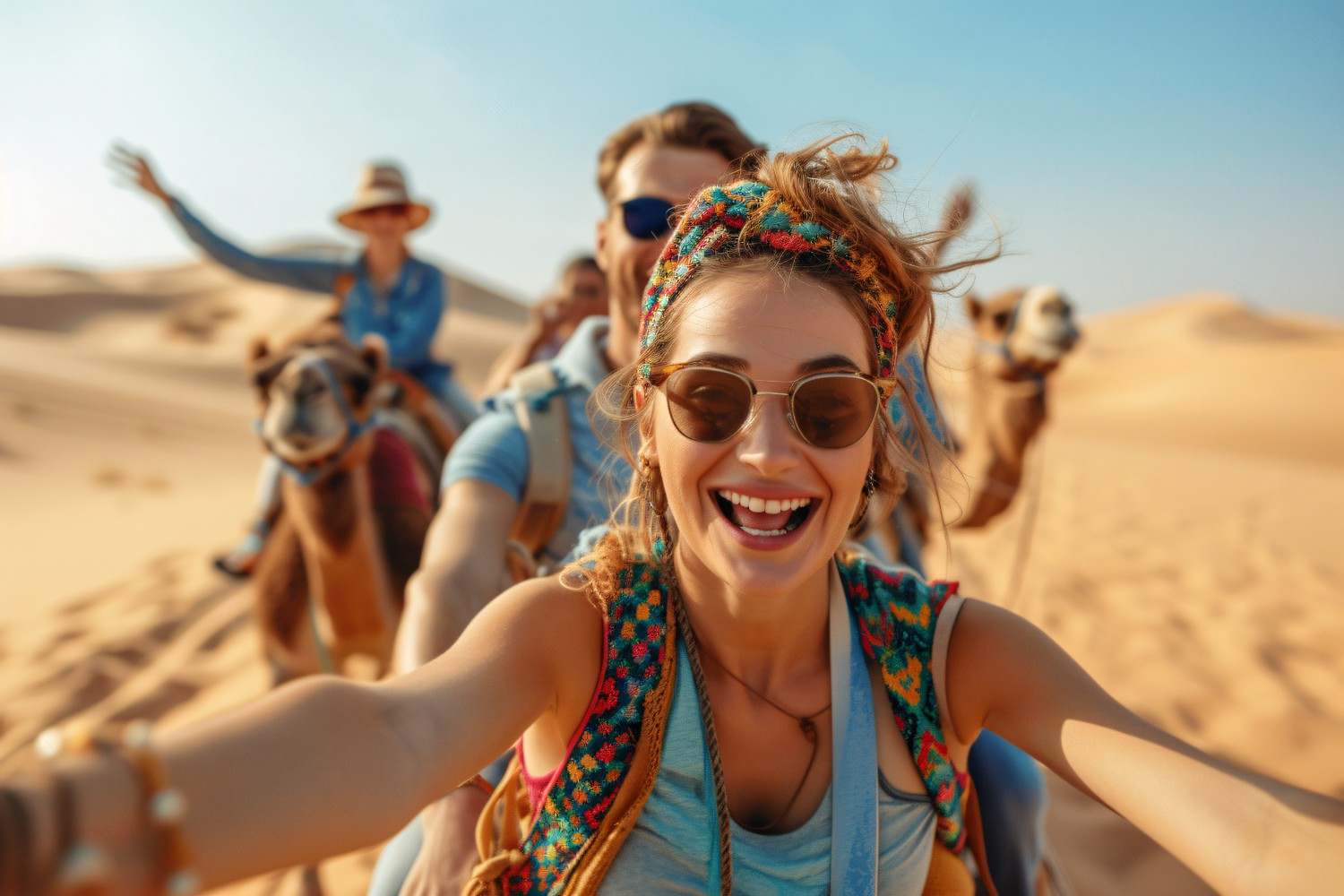
Morocco is a fascinating destination where ancient traditions meet dramatic landscapes and vibrant city life. From colourful markets and historic palaces to golden deserts and peaceful mountain villages, the country offers something memorable for every traveller. Moreover, its rich culture, warm hospitality and flavourful cuisine make every journey feel unique.
A well-planned Morocco tour can include imperial cities such as Marrakech and Fez, the blue streets of Chefchaouen and the impressive Sahara Desert. Additionally, travellers can explore coastal destinations, stay in traditional riads and experience local customs. Therefore, Morocco is ideal for couples, families, groups and solo travellers seeking a culturally rich holiday.
Quick Highlights –
- Explore the historic streets and lively souks of Marrakech
- Discover the ancient medina and traditional crafts of Fez
- Walk through the famous blue streets of Chefchaouen
- Experience a camel ride across the Sahara Desert
- Stay overnight at a traditional desert camp
- Taste authentic Moroccan dishes and mint tea
- Visit ancient kasbahs and beautiful mountain landscapes
1. Begin the Journey in Lively Marrakech
Marrakech is one of Morocco’s most popular destinations and an excellent starting point for a tour. The city is known for its red-coloured walls, busy souks, traditional architecture and lively public squares. At its heart is Jemaa el-Fnaa, where food stalls, musicians and local performers create an energetic atmosphere.
Visitors can explore the beautiful Bahia Palace, which features decorated courtyards and detailed Moroccan craftsmanship. Meanwhile, the Koutoubia Mosque is one of the city’s most recognisable landmarks. Although non-Muslims cannot enter the mosque, its impressive exterior and surrounding gardens are worth visiting.
Additionally, travellers can wander through the medina to shop for carpets, lanterns, spices, leather products and handmade souvenirs. However, bargaining is common in the souks, so visitors should take their time and enjoy the experience. A traditional riad stay can also add local character to the journey.
2. Discover the Historic City of Fez
Fez is Morocco’s cultural and spiritual centre. Its historic medina, known as Fez el-Bali, is one of the world’s largest pedestrian areas. Narrow lanes lead to traditional workshops, religious buildings, small cafés and colourful markets. Therefore, exploring with a local guide can make the visit easier and more informative.
The city is especially famous for its leather tanneries and skilled artisans. Furthermore, travellers can see beautiful tilework, carved wood and decorative plaster throughout the old city. These details reflect Morocco’s long artistic traditions.
Popular attractions in Fez include :
- Al Quaraouiyine, one of the world’s oldest educational institutions
- Bou Inania Madrasa, known for its impressive architecture
- Chouara Tannery, where leather is coloured using traditional methods
- Bab Bou Jeloud, the decorative entrance to the old medina
- The Nejjarine Museum of Wooden Arts and Crafts
- Traditional souks selling spices, ceramics and textiles
After sightseeing, travellers can enjoy a rooftop meal overlooking the medina. As a result, Fez offers both historical discovery and an authentic view of everyday Moroccan life.
3. Walk Through Blue-Washed Chefchaouen
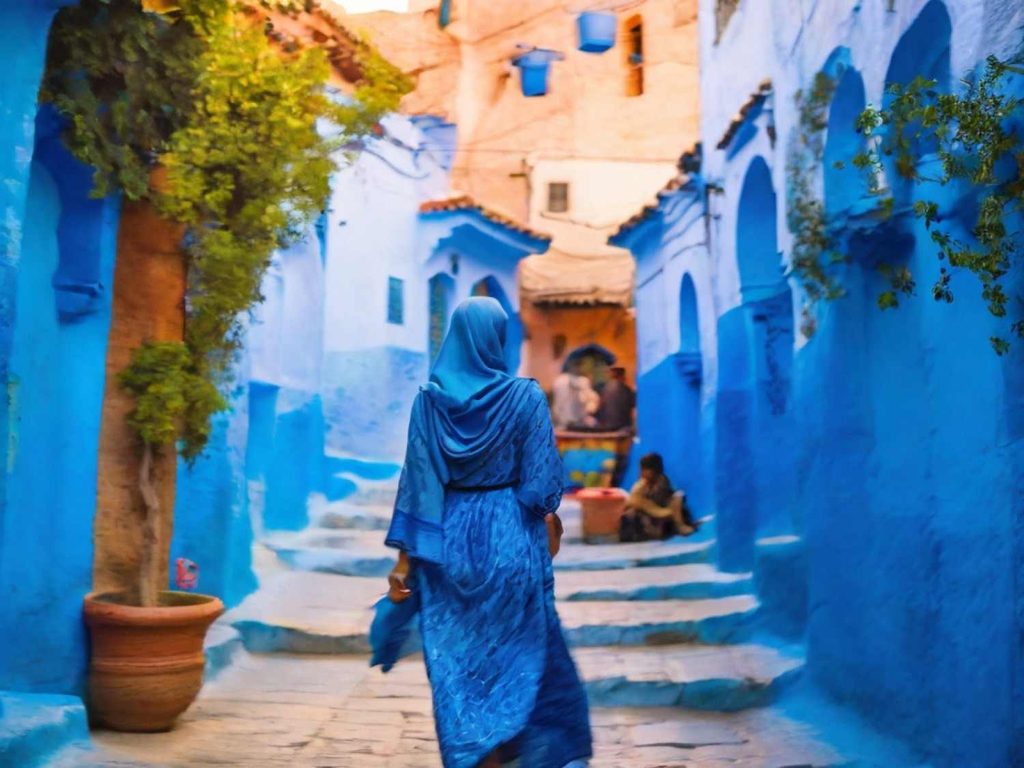
Located in the Rif Mountains, Chefchaouen is famous for its blue-painted houses, peaceful lanes and relaxed atmosphere. The city is smaller and quieter than Marrakech or Fez. Consequently, it provides a refreshing break from Morocco’s busier destinations.
Travellers can explore the old medina, visit the central Outa El Hammam square and photograph the many shades of blue found throughout the town. Moreover, small shops sell woven blankets, handmade soaps, leather products and local artwork. The compact centre is easy to explore on foot.
For scenic views, visitors can walk towards the Spanish Mosque before sunset. From there, the blue town and surrounding mountains create a beautiful panorama. Although Chefchaouen can be visited on a day trip, staying overnight allows travellers to enjoy its peaceful character after the daytime visitors leave.
4. Experience the Magic of the Sahara Desert
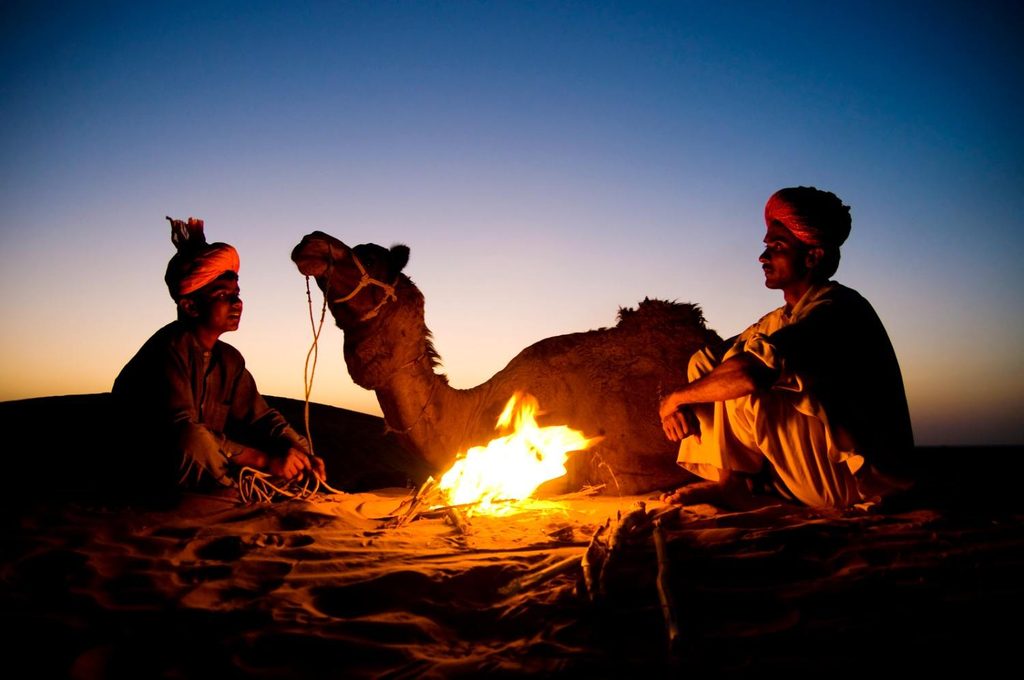
A Morocco tour feels incomplete without experiencing the Sahara Desert. Merzouga is a popular gateway to the impressive Erg Chebbi dunes. The journey may be long; however, the changing scenery of mountains, valleys, villages and desert landscapes makes it worthwhile.
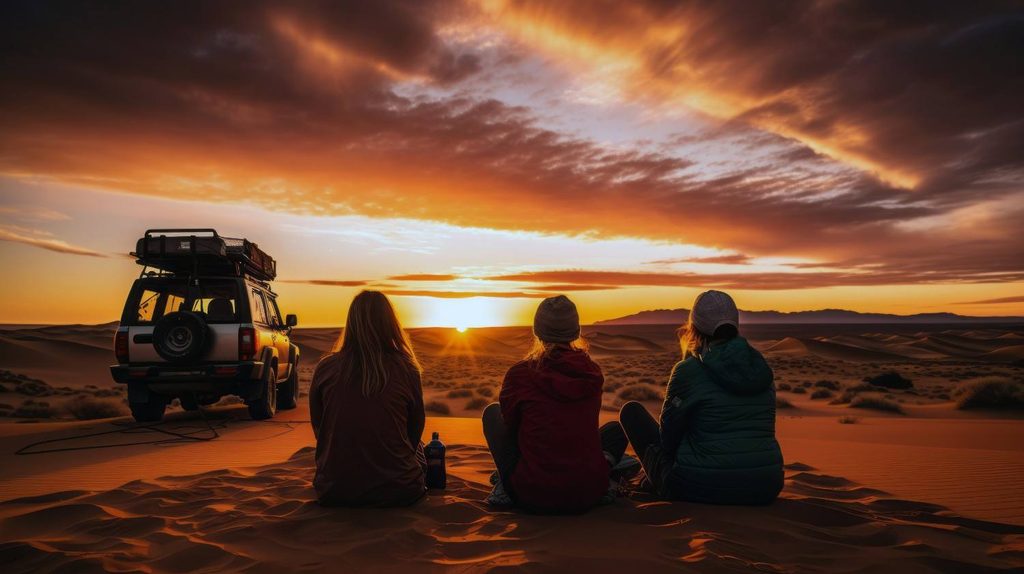
One of the most memorable activities is riding a camel across the dunes during sunset. Afterwards, travellers can spend the night in a desert camp, enjoy a traditional dinner and listen to local music beneath the stars. Additionally, many camps provide comfortable tents and essential facilities.
Early the next morning, visitors can watch the sunrise transform the dunes into shades of gold and orange. Depending on the itinerary, travellers may also try sandboarding, take a four-wheel-drive desert tour or visit nearby communities. Therefore, the Sahara provides both adventure and cultural discovery.
5. Explore Ancient Kasbahs and Mountain Landscapes
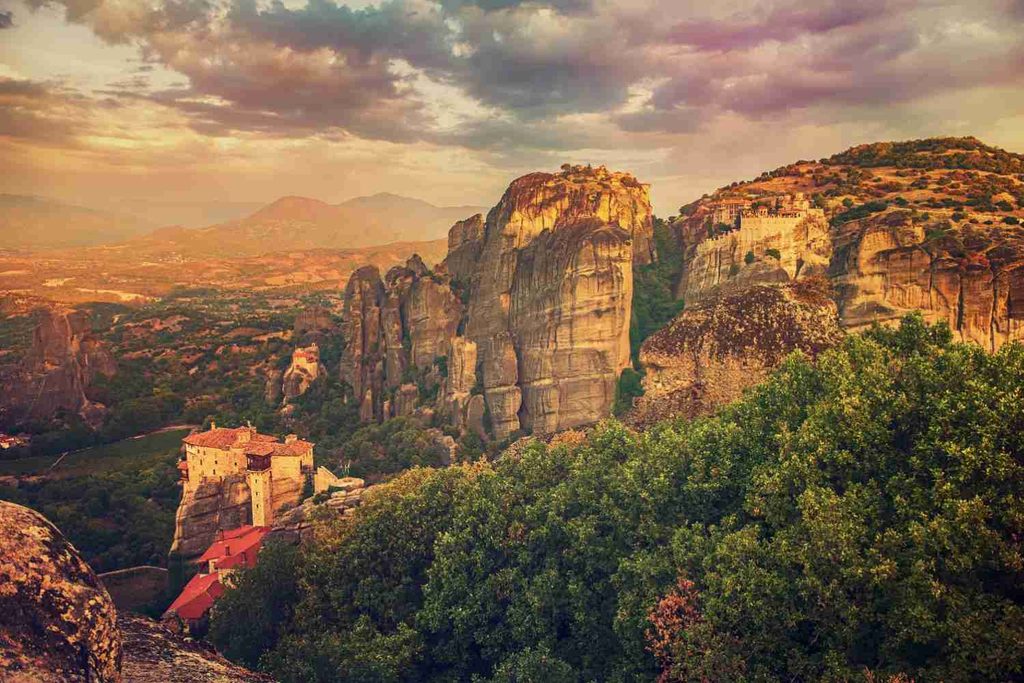
Morocco’s natural scenery is as impressive as its cities. The Atlas Mountains stretch across the country and offer winding roads, beautiful valleys and traditional Berber villages. Furthermore, the mountain routes connect Marrakech with the Sahara, making the journey itself an important part of the experience.
A famous stop along this route is Ait Benhaddou, a historic fortified village built from clay. Its distinctive architecture has appeared in several international films and television productions. Visitors can walk through its narrow passages and climb to higher viewpoints.
Other worthwhile experiences include :
- Driving through the scenic Tizi n’Tichka mountain pass
- Visiting traditional Berber communities
- Exploring the dramatic Todra Gorge
- Walking through the Valley of Roses
- Discovering the palm-filled Draa Valley
- Stopping at Ouarzazate, known for its film studios
- Photographing historic kasbahs along the route
Although travel times can be long, regular stops make the drive more enjoyable. Most importantly, these landscapes reveal Morocco beyond its famous cities.
6. Enjoy Moroccan Food and Local Traditions
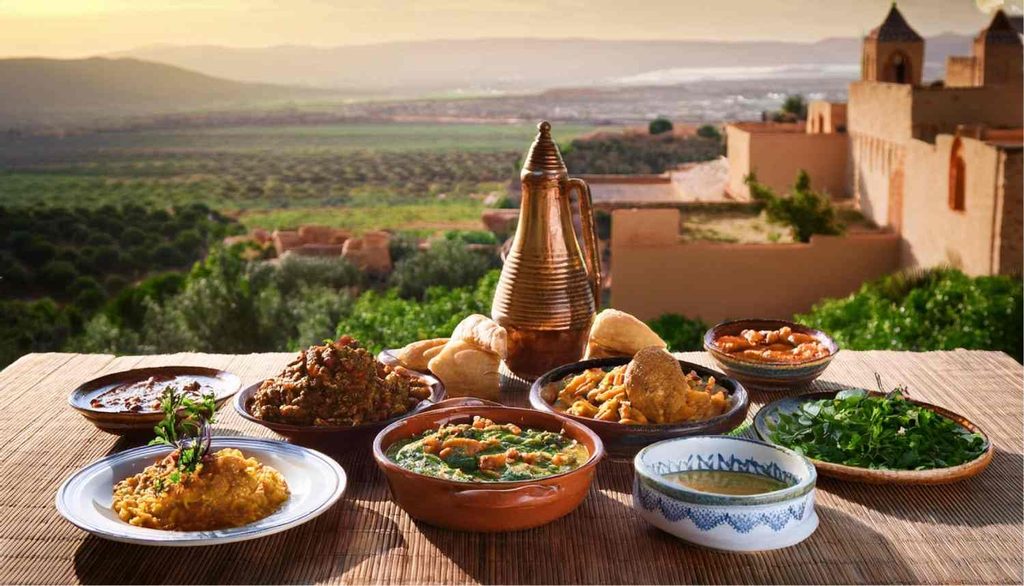
Moroccan cuisine is an essential part of the travel experience. Tagine, a slow-cooked dish prepared with meat, vegetables or dried fruits, is available throughout the country. Likewise, couscous is a popular traditional meal, while harira soup is both comforting and flavourful.
Travellers should also try pastilla, grilled kebabs, freshly baked bread and Moroccan salads. In addition, sweet mint tea is commonly served as a sign of hospitality. Food tours and cooking classes can help visitors understand the ingredients, preparation methods and traditions behind local dishes.
Respecting local customs can make a Morocco tour more comfortable. Visitors should dress modestly, especially in traditional areas and religious surroundings. Furthermore, learning a few simple Arabic or French phrases can be helpful. Asking permission before photographing people is also polite and respectful.
A Colourful Journey Worth Remembering
Morocco brings together historic cities, mountain scenery, desert adventures and distinctive cultural traditions. From the energetic souks of Marrakech and the ancient lanes of Fez to blue Chefchaouen and the golden Sahara, every destination offers a different experience.
Therefore, travellers planning a Morocco tour should allow enough time to explore at a comfortable pace. By booking flights to Morocco, accommodation and guided activities in advance, visitors can enjoy a smoother journey filled with remarkable landscapes, authentic flavours and lasting memories.